
Server Virtualization
Flexible and high-performance virtualization solutions that optimize your hardware resources.
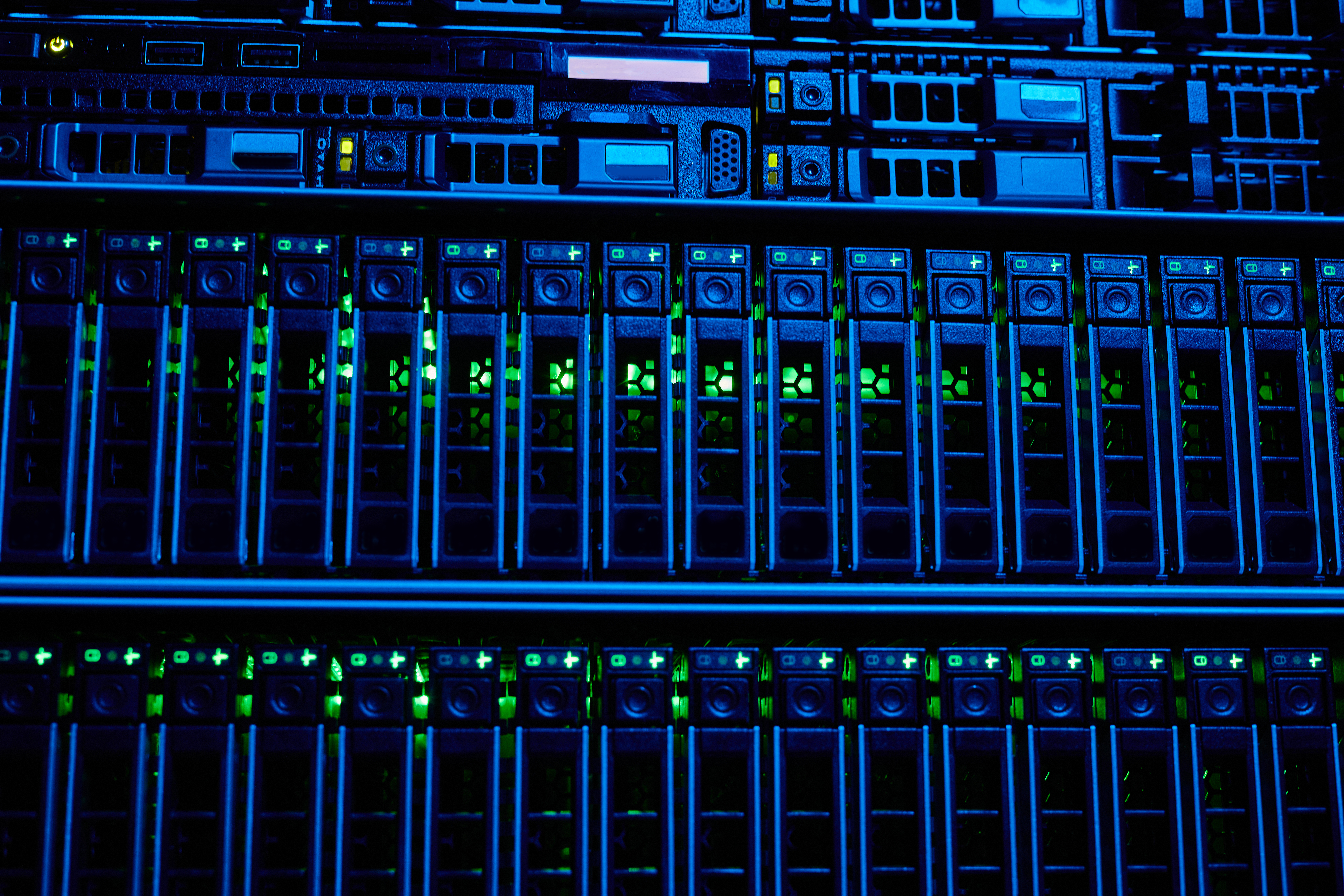
Infraserve integrates virtualization technologies into your IT infrastructure, elevating your hardware efficiency and operational agility to the highest level.
Server virtualization is the process of dividing physical hardware resources (CPU, memory, storage, and network) into multiple isolated virtual machines (VMs) through a software layer. Forming the foundation of modern IT infrastructures, this technology transforms server resources into a more flexible, easily manageable, and scalable structure.
The processes carried out to establish optimized virtual environments on the physical layer encompass the following technical phases:
-
Infrastructure Analysis and Consolidation Planning: The resource consumption of the existing physical server fleet is analyzed. The consolidation of workloads onto specific hardware is planned in a manner that prevents performance bottlenecks.
-
Hypervisor Layer Installation and Configuration: Virtualization layers such as VMware ESXi or Microsoft Hyper-V are installed in compliance with manufacturer standards and security protocols.
-
High Availability Architecture: Business continuity is engineered by ensuring that if a physical server fails, the virtual machines running on it are automatically migrated to other physical servers.
-
Allocation of Hardware Resources: Processor (CPU), memory (RAM), and network resources are allocated dynamically or statically based on the priorities of the workloads.
-
P2V (Physical-to-Virtual) Migration Processes: Data and operating systems on legacy physical servers are migrated and modernized into virtual platforms by performing consistency checks.
 Server virtualization is a discipline that brings software-defined flexibility to IT infrastructure by reducing hardware dependency. A correctly structured virtualization architecture reduces operational complexity into a simple management layer while increasing resource efficiency.
Frequently Asked Questions
What are the benefits of server virtualization solutions to businesses?
By dividing physical hardware resources programmatically, they create multiple independent virtual machines; in this way, while hardware efficiency increases, they ensure that the infrastructure becomes more flexible and easily manageable.
Is there any performance loss after virtualization?
With accurate capacity planning and resource allocation, no performance loss is experienced; on the contrary, since hardware resources are utilized more efficiently, stability increases across the entire system.
What is the operational advantage of dynamic resource management and consolidation?
Thanks to the High Availability architecture, virtual machines on a failed physical server automatically restart on other running servers within seconds.
Our Solution Partners