
Business Continuity and Disaster Recovery
Infrastructure solutions focused on high availability and disaster recovery that safeguard your critical business processes.
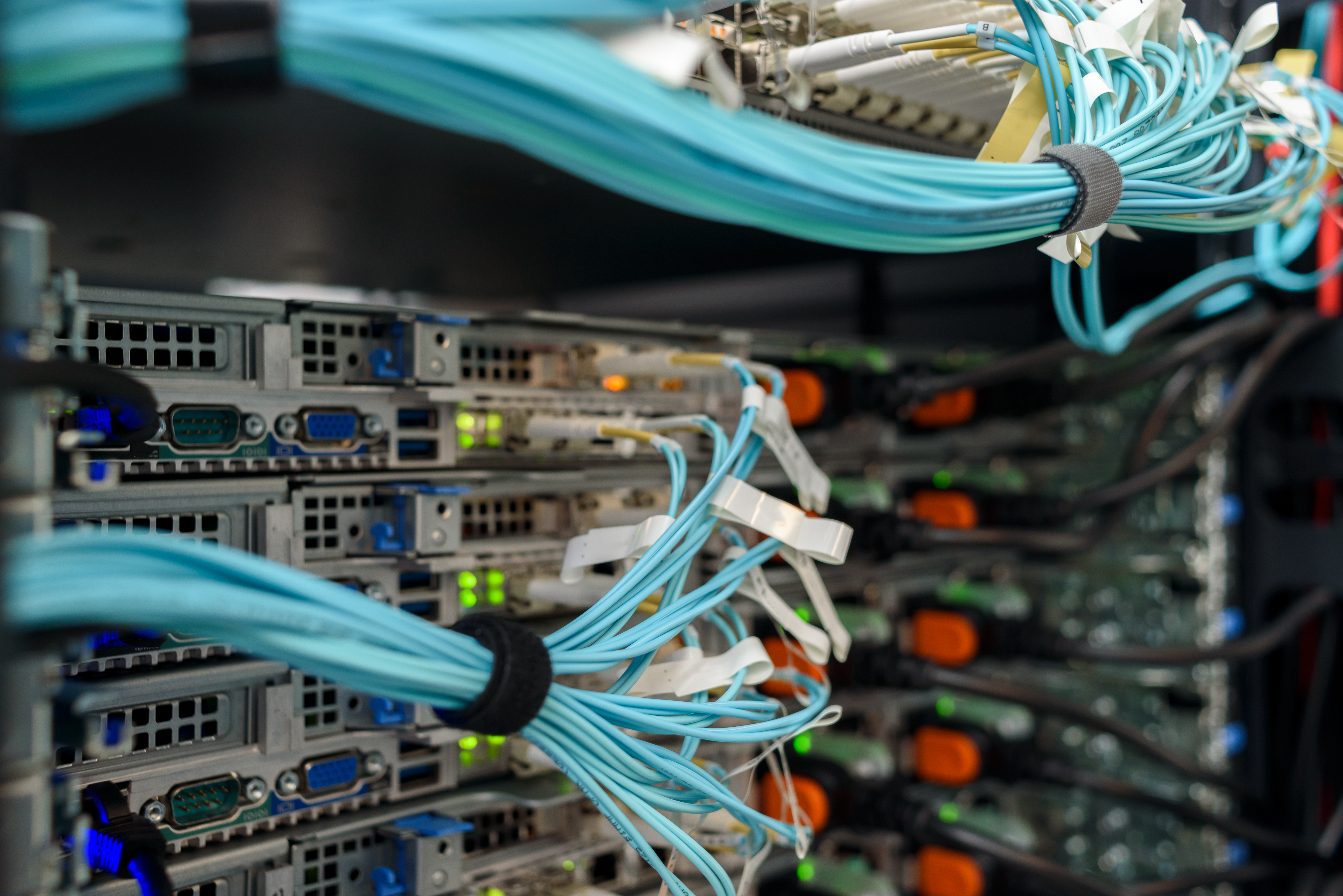
By aligning your corporate infrastructure with disaster recovery scenarios and modern cloud-based recovery models, Infraserve ensures that your business processes remain sustainable under all scenarios.
Business continuity is an organization's capability to maintain its critical operations in the face of unexpected disruptions. Disaster Recovery (DR) is the process of rendering systems operational again at a predetermined secondary location or cloud provider during cyberattacks, hardware failures, or physical crises. This process is not merely a data backup operation; it is the entirety of the technical architecture and recovery scenarios required to prevent operational activities from grinding to a halt.
BCDR solutions, structured according to the business's data volume and acceptable downtime thresholds, encompass the following technical phases:
-
Risk Analysis and Criticality Assessment: Systems directly impacting the workflow are identified, and recovery priorities and dependency maps are established.
-
Determining Recovery Objectives (RTO & RPO): The targeted maximum Recovery Time Objective (RTO) and the tolerable Recovery Point Objective (RPO) boundary in the event of a potential failure are defined as technical parameters.
-
Data Replication and Synchronization: Instantaneous or periodic transfer of an up-to-date copy of critical data and running systems to a remote location or ready-to-serve digital platforms is ensured.
-
Automation and Failover Scenarios: Workflows and automation processes are structured to ensure that systems transition to the backup site with minimal intervention when a disruption occurs at the primary data center.
-
Regular Recovery Testing and Reporting: The functionality of recovery scenarios is regularly verified through performance tests of the backup systems, and the constant readiness of the system is reported.
 Business continuity is as much an operational insurance as it is a technological necessity. Supported by disaster recovery scenarios, this architecture minimizes data loss during crises while allowing systems to be redeployed within a pre-planned discipline.
Frequently Asked Questions
What do the business continuity and disaster recovery processes aim for?
They aim to ensure that critical operations do not grind to a halt during unexpected disruptions and that systems are rapidly rendered operational again at a pre-arranged secondary data center or cloud environment during a crisis.
Why must RTO and RPO parameters be determined?
RTO (Recovery Time Objective) defines how quickly the systems must be brought back online, while RPO (Recovery Point Objective) determines how much data loss can be tolerated. These values define the technical boundaries of the recovery strategy.
What do automation and failover scenarios add to the workflow?
When an issue occurs within the primary system, they enable workloads to transition to the backup data center with minimal intervention, allowing operational processes to continue uninterrupted or with the least possible loss.
Our Solution Partners