
Desktop Virtualization
Desktop virtualization solutions that centralize your workspaces, offering secure, flexible, and device-independent access.
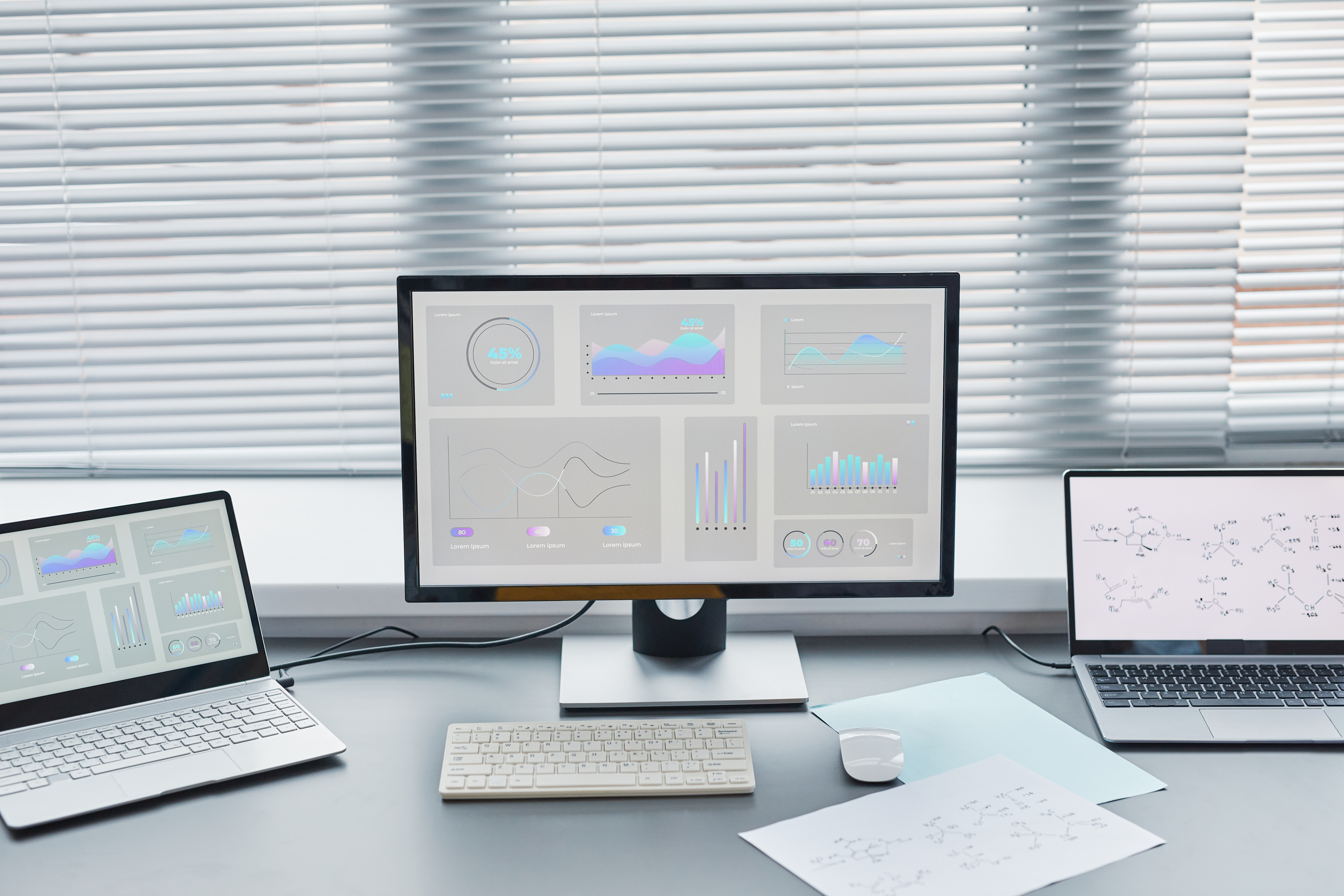
Infraserve structures the desktop virtualization architecture according to your corporate requirements; it centralizes user data and brings working environments into a centralized, secure, and standardized framework.
Desktop virtualization is the execution of all operating systems and applications on servers within the data center by making users' working environments independent of physical devices. Thanks to this architecture, user data is maintained in a secure, centralized location instead of local devices, and the management of IT resources is brought into a standardized framework.
The processes carried out to engineer digital workspaces within a flexible, secure, and sustainable structure encompass the following technical phases:
-
Centralized Management and Updates: All user desktops are managed from a single center. Operating system updates, software deployments, and security patches are applied centrally.
-
Data Security and Isolation: Corporate data is hosted on secure storage units within the data center, rather than on users' physical computers. In the event of device theft or loss, the risk of data exfiltration is minimized.
-
Hardware-Independent Workspace: Since the processing power required by users is provisioned on the server side, access to a stable working environment is provided via low-spec devices or different platforms (PCs, tablets, thin clients).
-
Resource Optimization: Processor and memory resources are dynamically allocated based on the needs of the users. This ensures the efficient and need-oriented utilization of hardware resources.
-
Reduction of Endpoint Management Burden: Technical workflows are structured so that in the event of a user device failure, the existing working environment can be resumed exactly where it was left off within seconds via a new device.
 Desktop virtualization is a discipline of consolidating corporate data in a secure center by eliminating dependency on physical devices. While simplifying operational management, this architecture provides employees with an accessible and high-performance digital experience from any location.
Frequently Asked Questions
What are the benefits of desktop virtualization (VDI) to businesses?
By hosting user desktop environments on centralized servers, it offers secure access to corporate data from anywhere with any device and simplifies the management of the IT infrastructure.
How does VDI architecture increase data security?
It stores corporate data in a secure data center rather than on physical devices; thus, it technically minimizes data exfiltration risks in situations such as device loss or theft.
What is the contribution of centralized management to operational processes?
Updates, security patches, and new user provisions are completed from a single center within seconds; this increases hardware efficiency while accelerating technical support processes.
Our Solution Partners